Acer Aspire 16 Ai Review: Real User Experience After 3 Months
Introduction
I've been using the Acer Aspire 16 Ai as my daily driver for the past three months. I bought it to replace an aging 15-inch laptop and to have a machine that could handle a mix of productivity work, light content creation, and occasional gaming. In this review I’ll share what I actually experienced — the small wins, the annoyances, the things I didn’t expect, and whether I think it’s worth your money based on real-world use.
My review unit and how I used it
For transparency, my review unit is one of the mid-to-high configurations Acer sells: a 16-inch model with a high-resolution IPS display, 16GB of RAM, a 1TB NVMe SSD, and the optioned discrete GPU. I used it for email, heavy browser sessions with dozens of tabs, spreadsheets, photo editing, occasional video exports, and a handful of modern games at medium settings. I also took it on several day trips and used it for 90–120 minute video calls multiple times per week.
First impressions
Out of the box the Aspire 16 Ai felt like a serious step up from mainstream clamshell laptops. The screen size is immediately noticeable — moving to a 16-inch workspace was a genuinely productive change for me. The keyboard felt comfortable right away, and the chassis gave a solid impression for a mid-priced laptop. The charger is typical Acer bulk — it’s not tiny, but it’s not enormous either.
Design and build quality
In my experience the build sits between plastic-budget and premium-metal machines. The lid and base aren’t unibody aluminum, but they don’t feel cheap either. The hinge is firm and keeps the display steady while typing, though the lid has a little flex if I pick up the laptop while it’s open. The matte finish on my unit hid fingerprints reasonably well.
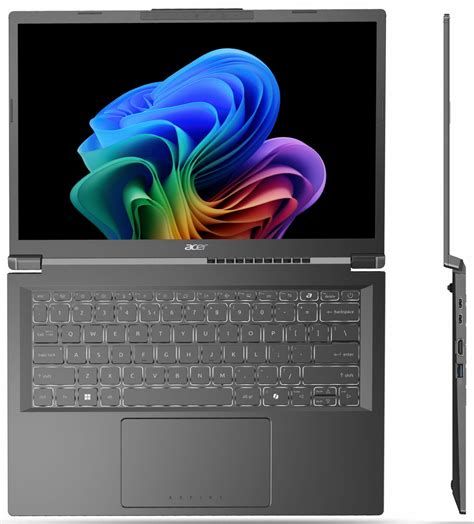
Weight-wise, it’s heavier than ultraportables but still manageable for daily carry — I’d call it travel-friendly for a 16-inch laptop if you’re used to carrying a modest backpack. The port layout is practical: full-size HDMI, USB-A and USB-C ports with charging/DisplayPort support, a headphone jack, and an SD card reader. I appreciated not having to rely on dongles for work tools or projectors in meeting rooms.
Display: workspace champion with caveats
The 16-inch panel is the unit’s highlight for me. It provides generous screen real estate which I used to keep a document and reference material open side-by-side without squinting. Colors are punchy enough for photo editing and video checks, and text is crisp for extended reading.
What I found was that the glossy vs. matte debate matters: my panel is a low-reflection finish that balances contrast and usability. That said, outdoor brightness is a weakness — I noticed washed-out visibility on bright sunny afternoons when I worked on the porch. If you spend a lot of time outdoors, plan on looking at a higher-brightness panel or adjusting your seating.
Keyboard and trackpad
The keyboard became one of those things I appreciated more over time. The keys have decent travel and a reassuring tactile bump. I do a lot of long-form typing and didn’t notice fatigue or missed keystrokes after hours of drafting. The layout includes a numeric pad, which I found useful for spreadsheets but made the main keys a little narrower compared to compact keyboards.
The trackpad is large and generally accurate for daily navigation. Multi-finger gestures worked reliably in my day-to-day use. One quirk I encountered was occasional stuttering when the system was under very heavy I/O load — a short freeze while thumbnails built or a large transfer was ongoing. It didn’t happen often, but it was noticeable enough to mention.
Discover deals on Laptops & Computers — updated daily.
View Offers →Performance and thermals
Performance felt very good for a laptop in this class. For web browsing, office apps, and most creative workloads I use, the system was snappy. Lightroom photo edits and short Premiere exports completed quickly enough that I didn’t miss my desktop. When I pushed the discrete GPU for gaming or GPU-accelerated rendering, thermals and fans kicked in noticeably. The fans ramp up under sustained load and can be audible in a quiet room.
One thing I found was that sustained heavy workloads — long video exports or multi-hour game sessions — cause the CPU/GPU to stabilize at reduced clocks compared to short bursts. In practice, this meant slightly longer export times under continuous heavy load than a desktop-class machine would deliver. For most creators doing short to moderate jobs, the performance-to-size trade-off felt reasonable; for prolonged heavy-duty rendering, a desktop or a higher-thermal-budget laptop would be a better fit.
Battery life in real use
Battery life was the area where my expectations and reality diverged more than I expected. With mixed usage — lots of web browsing, email, occasional video calls, and document editing — I saw around 6–8 hours on a single charge. With light-only tasks and conservative brightness I could push toward 9 hours. Running GPU-accelerated tasks or gaming cut that down dramatically to 1.5–2.5 hours.
I was surprised by how much display brightness and background browser tabs affected longevity. If you’re someone who needs all-day unplugged use, pack the charger or look for configurations with larger battery capacity if offered. The fast-charging capability did help me get back to a comfortable working window quickly when I had short breaks between meetings.
Speakers, webcam and microphones
Speakers are good for conference calls and casual music listening. I liked that the sound is clear and intelligible, but bass is limited — no substitute for a small Bluetooth speaker when I want fuller sound. The webcam is fine for work calls with decent lighting, but it’s not spectacular. Background noise cancellation on the mic is adequate for most calls; I rarely needed an external headset for meetings, though I still use one for long gaming sessions.
Everyday reliability and software
Over three months the system has been stable. I did a couple of Windows updates and driver updates without drama. Acer ships some of its own utilities (battery/power mode toggles, system updates), and there’s a handful of trialware I uninstalled. None of the preinstalled software was a deal-breaker, but I did a clean-up pass to remove apps I didn’t use.
What I appreciated most
- Spacious 16-inch screen that actually improved my productivity when multitasking.
- Comfortable full-size keyboard with numeric pad — great for spreadsheets and long typing sessions.
- Good selection of ports (HDMI, USB-A, USB-C, SD card) made it easy to connect peripherals without dongles.
- Solid day-to-day performance for productivity and photo editing.
- Reasonable value: felt like a lot of laptop for the price compared to ultralight premium machines.
What bothered me
- Battery life is fine but not class-leading. If you need all-day unplugged work under heavy loads, plan accordingly.
- Fans can be loud under sustained load and the laptop will thermally throttle a bit during prolonged heavy tasks.
- Build materials are good but not premium; expect more flex than full-metal laptops.
- Display brightness could be higher for comfortable outdoor use.
- Some minor software bloat out of the box that I removed.
Pros & Cons
- Pros:
- Large, productive 16-inch display
- Comfortable keyboard and usable trackpad
- Good port selection for a modern laptop
- Solid everyday performance for productivity and light creative work
- Good value for the feature set
- Cons:
- Battery life is adequate but not exceptional under mixed/heavy use
- Fans audible and thermal throttling under sustained heavy loads
- Build feels a step below premium unibody machines
- Display could be brighter for outdoor work
Comparison: How it stacks up (quick table)
| Model | Display | Everyday Performance | Battery (real-world) | Best for |
|---|---|---|---|---|
| Acer Aspire 16 Ai (my unit) | Large 16" IPS — great workspace, good color, moderate outdoor visibility | Very good for productivity and light content work | 6–8 hours mixed use, less under GPU load | Students and professionals who want a roomy screen and solid value |
| Typical 14" Ultrabook (e.g., thin-and-light) | Smaller, often higher brightness, more portable | Excellent for office tasks, less headroom for editing/gaming | 8–12 hours (light use) | Frequent travelers who prioritize portability |
| Higher-end 16" Creator Laptop | High-brightness, color-calibrated panels | Stronger sustained performance for long renders | Varies — sometimes shorter due to powerful components | Professionals doing heavy photo/video work |
Who should consider the Acer Aspire 16 Ai?
In my experience the Acer Aspire 16 Ai is a sensible pick if you want more screen without moving to a bulky desktop replacement. It’s a good middle ground for:
- Students and knowledge workers who value a larger workspace for documents and multitasking.
- Hobbyist creators who edit photos and videos occasionally but don’t need long, sustained render performance.
- Anyone who wants a practical port selection and a comfortable keyboard for daily work.
Buying guide: What to pick and what to watch for
When I was choosing my configuration, these were the things I focused on. If you’re thinking of buying one, consider these points based on my three months of use:
1. Pick the right CPU and GPU for your workflow
If your work is primarily web-based, documents, spreadsheets, and light photo edits, a mid-range CPU with integrated graphics will be more than fine and will save battery. If you plan on gaming or GPU-accelerated editing, opt for the discrete GPU variant but be ready for shorter battery life and louder fans under load.
Looking for the best Laptops & Computers deals on Amazon?
View Offers →2. Aim for at least 16GB RAM
With modern browser usage and multitasking, 16GB is the sweet spot I recommend. I noticed fewer slowdowns during heavy tab usage after choosing 16GB vs 8GB in previous machines.
3. Storage: NVMe SSD matters
Get an NVMe SSD — it speeds up boot, app launches, and project load times dramatically. If you regularly work with large media files, prioritize capacity (1TB+ if you can afford it).
4. Display: prioritize resolution and finish
If you edit photos or need precise layouts, choose the higher-resolution or color-better panel. If you work outdoors often, look for a configuration with higher peak brightness.
5. Ports and expandability
I found the SD card slot and full-size HDMI invaluable for quick client transfers and connecting to conference room displays. If these matter to you, verify your chosen configuration includes them.
6. Warranty and support
Check Acer’s warranty options and local service reviews. I had no hardware failures, but having a straightforward service path is worth the peace of mind.
Real-world tips from my ownership
- Enable a balanced power profile for most of the day and switch to performance only when you need it — you’ll save battery and reduce fan noise.
- Keep the vents clear and use the laptop on a flat surface during heavy tasks; I noticed thermal performance improves when airflow is unobstructed.
- Uninstall unwanted trialware after setup to reduce background services and improve responsiveness.
- If you need excellent outdoor visibility, buy and check the display spec before committing — brightness varies across configurations.
Conclusion
After three months with the Acer Aspire 16 Ai, I can say it’s a very capable, practical laptop that hit the right balance for my needs. I was pleased by the roomy display, comfortable keyboard, and all-around responsiveness for daily productivity and light creative tasks. The trade-offs — middling outdoor display brightness, fans and thermal throttling under prolonged heavy load, and chassis materials that aren’t full-metal premium — are real, but they’re also understandable for the price and class of this machine.
In my experience, if you want more workspace than a 14–15" laptop without stepping up to a heavy desktop replacement, the Aspire 16 Ai is worth serious consideration. It nailed the routine parts of my workflow and improved productivity simply by giving me more visible real estate. If your work demands sustained, professional-grade GPU/CPU performance or you require the brightest possible display for outdoor use, you may want to look at higher-end creator laptops — but for most students, professionals, and creators on a budget, this laptop delivered consistently useful performance and a pleasant experience overall.